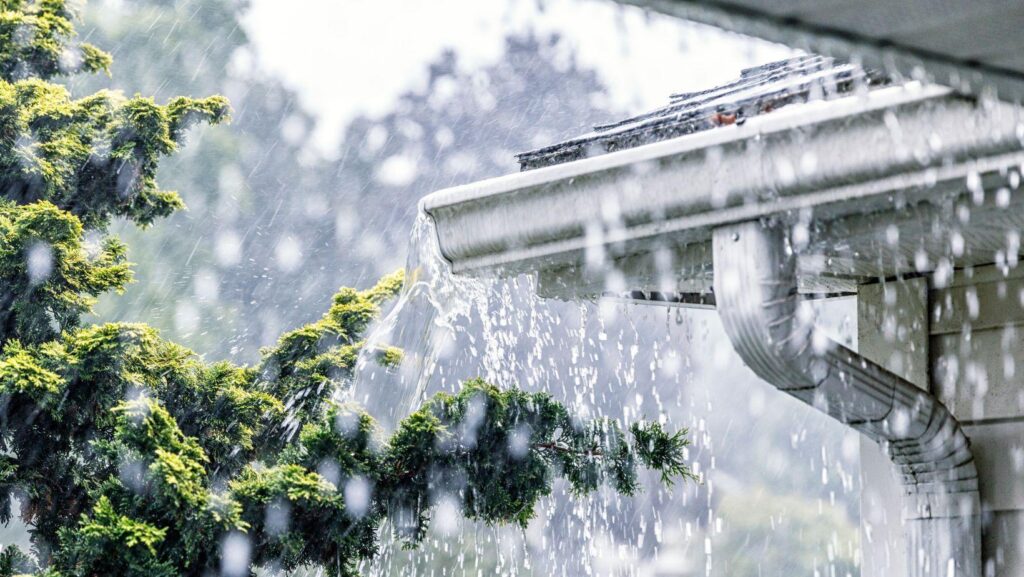
Residents living close to the Dartmouth waterfront in Canada face a unique problem of salt in the air. You will notice that your car needs to be washed more frequently. However, less visible is that the same salt sits quietly on your roof, too, causing slow damage. And when a storm hits, the situation worsens. Strong winds drive massive volumes of dense salt spray and abrasive salt crystals onto the rooftop, while heavy rain and high humidity accelerate corrosion of the roof metal.
Not all parts of the roof are equally affected. While some components and materials hold up fine, others take a hard hit. The asphalt shingles loose granules faster. The granules protect the underlying material from the harsh UV rays. The salt-laden storm wind and the regular gusts in Dartmouth wear the layer quickly.
The metal components, such as nails, flashing, gutters, and exposed metal fasteners, are highly vulnerable. Salt accelerates the corrosion process. Rusted metal flashing is unable to keep water out at the edges and joints. What you need is professional storm damage roof repair Dartmouth to address the roof’s leak points.
The combination of UV exposure, salt, and humidity causes the sealants around vents, skylights, and chimneys to crack sooner.
Steel roofing is better but not completely immune. With a good protective coating, steel shingle and standing-seam roofs handle salt air better. However, if the coating is scratched at fasteners or cut edges, it becomes weak and corrosion can start.
Because salt-air damage is gradual, it is easy to miss at a glance. You must keep a close watch on certain things at regular intervals.
Check for white residue building up on metal surfaces, which indicates the start of corrosion. Look for rust streaks running down from vents, flashing, or gutters. There might be a few shingles that look grittier or more faded than the others. On touching, some gutters and downspouts might feel flaked or thinner.
These are not emergencies on their own. However, when ignored, they can lead to expensive repairs in the long run.
Not necessarily. However, what is important is choosing the right materials for the roofs and other accessories, and properly maintaining them.
Investing in corrosion-resistant fasteners is recommended. Ensure regular rinsing of the roof and the gutters with normal water to reduce salt buildup over time. Gutter cleaning is very important to prevent internal gutter wear. Experts from Artisanroofing.ca recommend installing steel roofing with a quality protective finish.
Wrapping it up
Salt air damage or wear does not show in a home inspection report. In areas like Dartmouth, where salt air is a persistent issue, home roofs need special attention. And if there is a storm, you need to be all the more careful. If you overlook it, the damage can be severe. With proper care and maintenance, small problems can be fixed in time, reducing expenses for extensive repairs and replacements.