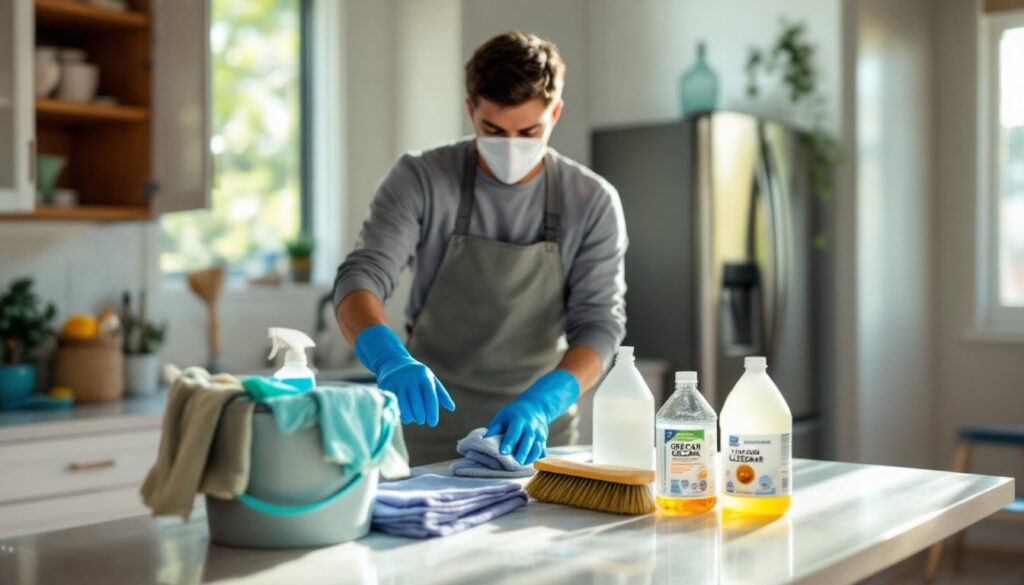
Most homeowners think their weekly or bi-weekly cleaning routine is enough. It isn’t. Regular dusting and vacuuming tackle surface dirt, but deep cleaning goes after the grime that builds up behind appliances, inside vents, under furniture, and in grout lines where bacteria and allergens thrive. A thorough house deep cleaning can take a weekend or stretch across a few evenings, but it transforms how your home actually feels, fresher air, cleaner surfaces, and fewer hidden dust colonies. Whether someone’s preparing for spring, dealing with seasonal allergies, or just wants to reset after months of daily living, this room-by-room guide covers the supplies, techniques, and honest time expectations needed to do the job right.
Key Takeaways
- Deep cleaning your house targets hidden grime behind appliances, inside vents, and in grout lines where bacteria and allergens thrive, improving air quality and extending the life of your furnishings.
- Essential deep cleaning supplies include microfiber cloths, stiff-bristle brushes, degreaser, grout cleaner, white vinegar, and an N95 mask to protect against dust exposure during the process.
- Kitchen deep cleaning requires vacuuming refrigerator coils, cleaning range hood filters, washing the dishwasher’s spray arm, and degreasing the stovetop and backsplash where grease accumulates fastest.
- Bathroom deep cleaning involves treating mold and mineral deposits with grout cleaner or diluted bleach, scrubbing tile grout lines, and replacing deteriorating caulk to prevent water damage.
- Perform seasonal deep cleans once or twice yearly combined with regular weekly maintenance to reduce indoor allergens significantly and keep your home healthier without feeling overwhelming.
- A thorough house deep cleaning can be completed over a weekend or spread across several evenings, and should be followed by consistent weekly vacuuming and surface cleaning to maintain results.
Why Deep Cleaning Your Home Matters More Than Regular Cleaning
Regular cleaning removes visible dirt and dust, but deep cleaning addresses the buildup that accumulates where eyes don’t land daily. Think of appliance coils, baseboards, ceiling fan blades, light fixtures, and behind the refrigerator, these spots collect allergens, pet dander, dead skin cells, and mold spores that circulate through the home and settle back down. Seasonal deep cleans reduce indoor allergens significantly, which is especially important for households with asthma or allergies. They also extend the life of furnishings, carpets, and appliances by preventing grime from degrading finishes and clogging critical parts like HVAC filters and refrigerator condenser coils. A thorough deep clean once or twice yearly, combined with regular weekly maintenance, keeps a home healthier and more comfortable without feeling overwhelming.
Essential Supplies and Tools You’ll Need
Gather these supplies before starting: improvising mid-project wastes time.
Cleaning Solutions:
- All-purpose cleaner (degreaser for kitchens)
- Bathroom cleaner (acidic formula for soap scum and hard water deposits)
- Grout cleaner or bleach solution (1:10 ratio with water)
- Glass cleaner for windows and mirrors
- Disinfectant spray or wipes for high-touch surfaces
- Baking soda (mild abrasive, odor control)
- White vinegar (natural deodorizer, hard water remover)
- Castile soap (gentle, multipurpose)
Tools and Equipment:
- Microfiber cloths (reusable, capture more dust than cotton)
- Stiff-bristle brushes (grout, tile, baseboards)
- Soft-bristle brushes (delicate surfaces)
- Squeegee or chamois cloth (windows and glass)
- Vacuum with upholstery attachment
- Mop and bucket
- Scrub brush or old toothbrush for corners
- Step stool (safe reaching)
- Rubber gloves (protect hands from chemicals)
- N95 mask (dust exposure during vacuuming)
- Safety glasses (cleaning overhead areas)
Nice-to-haves: Oscillating multi-tool with soft brush attachment, steam cleaner for grout, and a dry-microfiber duster for ceiling fans and crown molding.
Kitchen Deep Cleaning: Tackling Hidden Grime and Grease
The kitchen accumulates grease and food debris faster than any other room. Start by decluttering cabinets and countertops, then wipe down all surfaces with a degreaser or all-purpose cleaner. Pay attention to cabinet fronts, handles, and the stovetop backsplash where splatter collects. Pull out the microwave, toaster, and other small appliances, and wipe the counter beneath and behind them. Scrub the sink with baking soda and a stiff brush, rinse thoroughly, and shine it with a cloth to prevent water spots.
For cabinets, wipe inside shelves and the undersides where dust settles. Check for expired items and crumbs in corners. If cabinet interiors are sticky from spills, use a damp microfiber cloth with a bit of white vinegar to cut through residue without damaging wood finishes.
Appliances and Behind-the-Scenes Areas
Vacuum the refrigerator’s condenser coils (usually located at the back or bottom), which collect dust and reduce efficiency. Use a coil brush or a soft-bristle attachment to avoid bending fins. Wipe down the entire exterior, including the top, which traps dust and grease. Don’t forget to empty and clean the refrigerator’s drip pan, mold and bacteria thrive there.
For the oven, if it’s self-cleaning, run that cycle beforehand and wipe out ash. For manual cleaning, apply an oven cleaner according to label instructions, let it sit, and scrub with a plastic or soft-bristle brush. Wipe glass doors clean with a glass cleaner for visibility. Clean the stovetop burners and grates (soak cast iron in hot soapy water if removable, then scrub), and wipe down the range hood interior and filter. A greasy filter reduces ventilation and fire risk, replace or soak in degreaser and hot water. The dishwasher’s spray arm, filter basket, and door seal also need attention: run an empty cycle with a dishwasher cleaner, then hand-clean the filter of food debris.
Bathrooms: From Tile Grout to Hard-to-Reach Corners
Bathroom deep cleaning means tackling mold, mildew, and mineral deposits. Start by ventilating the space well, open windows and run the exhaust fan to prevent inhaling mold spores.
Remove items from shelves and countertops, then wipe all surfaces with a bathroom cleaner formulated for soap scum and hard water stains. For stubborn deposits on faucets and fixtures, soak a cloth in white vinegar, apply it to the affected area for 15–30 minutes, then scrub with a soft brush and rinse. Shine fixtures with a microfiber cloth to prevent water spots.
For tile and grout, apply a grout cleaner or a 1:10 bleach-to-water solution (in well-ventilated areas only: never mix bleach with ammonia). Let it sit for 10 minutes, then scrub with a stiff-bristle brush along grout lines. Stubborn mold in grout may require a second application or an oscillating tool with a grout brush attachment. Rinse thoroughly with clean water.
Clean the toilet bowl with a toilet brush and bowl cleaner, scrubbing under the rim where bacteria hide. For the exterior, wipe the tank, seat, and base with a disinfectant. Don’t skip the floor around the toilet base, moisture and debris accumulate there. Wipe down shower walls, doors, and tracks. For sliding doors, soak the tracks in white vinegar and scrub with an old toothbrush to remove mineral buildup and mold. Check shower corners and caulking for mildew: if present, treat with a mold-killing spray and let sit before wiping. Replace caulk if it’s stained or deteriorating, poor caulking allows water to penetrate walls and cause structural damage. The exhaust vent and light fixture also collect dust: use a step stool to access them safely, and wipe with a dry microfiber cloth.
Bedrooms and Living Spaces: Dust, Allergens, and Upholstery
Bedrooms and living areas often harbor dust mites and allergens embedded in soft furnishings. Strip bedding and wash sheets, pillowcases, and duvet covers in hot water if fabric care allows. Vacuum the mattress thoroughly using an upholstery attachment, paying special attention to seams and the underside. If the mattress has a removable cover, wash it according to label instructions. Flip or rotate the mattress if it’s not a no-flip model, then flip underneath to vacuum under the bed frame where dust bunnies flourish.
Vacuum upholstered furniture (couches, chairs, ottomans) with an upholstery attachment, working into crevices and under cushions. If cushions are removable, pull them out and vacuum the base, which collects crumbs and dust. For visible stains on upholstery, test a fabric cleaner on a hidden area first to check for colorfastness. Allow to dry completely.
Dust ceiling fan blades, light fixtures, crown molding, and baseboards with a damp microfiber cloth, dry dusting spreads particles into the air. Use a step stool for overhead surfaces and a long-handled duster for high crown molding. Clean windows inside and out: wipe with a damp cloth first to remove dust, then use glass cleaner and a squeegee for streak-free results. Don’t overlook window sills and tracks where dust accumulates. If curtains or blinds are fabric, check care labels: many can be vacuumed with an upholstery attachment or machine washed on gentle cycles. For wood blinds, wipe each slat with a microfiber cloth or an old sock fitted over two fingers, it’s faster than it sounds. Closets deserve attention too: remove items, wipe shelves and rods, vacuum the floor, and reorganize as you return things. This is a prime spot for dust, pests, and moisture if ventilation is poor.
Conclusion
A thorough house deep cleaning takes effort, but it’s a one-time investment that pays dividends. The process, working room by room with proper supplies and techniques, removes the accumulated grime that regular cleaning misses. Plan for a weekend or break the project into sections over a few evenings. Wear appropriate PPE, ventilate well, and don’t hesitate to call a professional for specialized tasks like mold remediation or duct cleaning. Once the deep clean is complete, staying on top of weekly vacuuming, surface wiping, and trash removal keeps the house fresh until the next seasonal refresh.