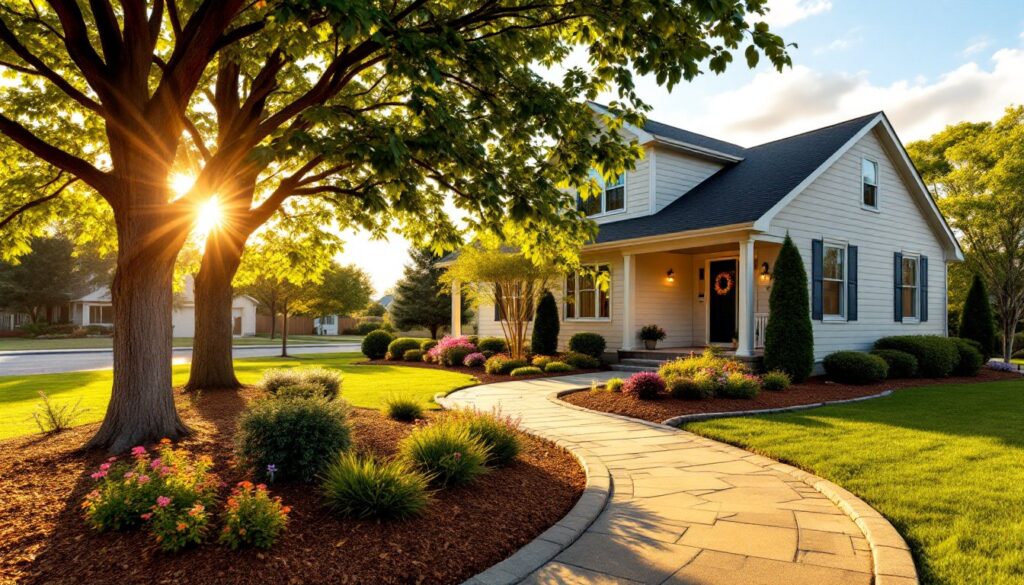
A well-designed front yard does more than make a house look inviting, it sets expectations for what’s inside and can increase property value. Whether someone has a sprawling suburban lot or a modest urban plot, thoughtful landscaping for front yards pays dividends in both aesthetics and functionality. The challenge isn’t complexity: it’s having a clear plan before breaking ground. This guide walks through the essentials: layout strategy, plant selection, hardscape choices, lighting, and maintenance. With practical steps and honest advice, any homeowner can tackle front yard landscaping without hiring a landscape architect.
Key Takeaways
- Effective landscaping for front yards begins with a clear plan that maps sun exposure, drainage patterns, and existing hardscaping before planting anything.
- Choosing zone-appropriate plants with matching water and sun requirements—especially native varieties—reduces maintenance while ensuring year-round visual appeal.
- Hardscape features like walkways (3–4 feet wide), edging, and proper drainage at 1/8 inch per foot slope protect your investment and enhance functionality.
- Strategic outdoor lighting using warm-toned LEDs (2700K) along pathways and tree canopies improves safety while creating an inviting evening ambiance.
- Consistent seasonal maintenance—spring mulching, summer irrigation (1–1.5 inches weekly), fall cleanup, and dormant pruning—keeps landscaping looking sharp without professional help.
Plan Your Front Yard Layout and Design
Before buying a single plant or moving dirt, take time to sketch what’s already there and what the space needs. Walk around the front yard at different times of day to observe sun exposure, shade patterns, and water runoff. Most front yards need filtered sun in afternoon hours to avoid plant stress and excessive watering: full shade from large trees or buildings limits options. Measure the lot, note the house footprint, driveway, and any existing hardscaping. Identify problem areas: poor drainage, compacted soil, or slopes that complicate planting.
A simple scaled sketch on graph paper, or even a phone photo with rough measurements, becomes the blueprint. Zones matter: the entry zone around the front door, border plantings along the house and lot lines, and focal areas that draw the eye (a specimen tree, a curved bed). Avoid the “plop” approach of randomly scattering plants. Group plantings in odd numbers (three, five, or seven) of the same variety for visual impact. Leave at least one-third of the front yard open for sight lines and to avoid a cluttered appearance. Think about traffic flow: a clear path from driveway to door, not obstacles or narrow passages.
Choose the Right Plants and Trees
Plant selection hinges on hardiness zone, water availability, and maintenance tolerance. Check the USDA hardiness zone for the address, plants rated for that zone are more likely to survive winters without fussing. Match plant water needs to site conditions: drought-tolerant plants in sunny, well-draining spots: shade-lovers where trees filter light.
Trees frame the front yard. A mature specimen tree, oak, maple, or birch depending on zone, anchors the design and provides shade maturity. Select a species sized to the lot: a 60-foot tree is wrong for a small suburban front. Plant trees 10 to 15 feet from the house foundation to avoid foundation damage from root systems. Shrubs in layers create depth: taller screening shrubs (6–8 feet) at property lines, medium shrubs (3–5 feet) mid-border, and groundcovers or dwarf varieties (1–3 feet) near the house. Mix textures and colors carefully: too many varieties read as chaotic. Aim for a backbone of evergreens (boxwood, juniper, yew) for year-round structure, then layer in flowering or colorful deciduous shrubs for seasonal interest.
Perennials and annuals fill gaps. Perennials return yearly with minimal care once established: annuals offer bright color but need replanting each season. Group plants by water and sun needs so watering schedules align. Native plants are often tougher, support pollinators, and require less fussing. Check local university extension guides for zone-appropriate, low-maintenance choices.
Hardscape Features That Add Visual Interest
Hardscaping, the non-plant elements, gives structure and function. A driveway, walkway, edging, and mulch beds define spaces without plants doing the heavy lifting. Before installing hardscape, confirm underground utilities (call 811 or your local utility locating service). Settling, frost heave, and compaction demand proper base preparation.
Create a Functional Walkway or Pathway
A front entry pathway should be at least 3 to 4 feet wide and direct foot traffic without ambiguity. Concrete, pavers, flagstone, or asphalt all work depending on budget and style. Concrete is durable and affordable ($8–15 per square foot installed, varies by region), but plain slabs look flat: add texture or a broom finish for visual interest. Pavers ($15–25 per square foot) allow curves and patterns, though individual units settle unevenly if the base isn’t compacted well. Gravel or mulch paths are budget-friendly but require annual topping and aren’t ideal in rainy climates where they scatter.
Slope the pathway away from the house at least 1/8 inch per foot to shed water. Edging, steel, plastic, or stone, defines the path’s boundaries and keeps mulch from spilling into it. If the property slopes, install steps or a ramp to meet ADA guidelines if relevant. Handrails strengthen safety on steeper grades.
Incorporate Lighting for Beauty and Safety
Outdoor lighting serves dual purposes: safety and ambiance. Uplighting trees, spotlighting the entry, or lining a pathway with small lights extends the front yard’s appeal after dark and helps visitors navigate safely. Solar-powered path lights are simple to install (no wiring) but dim and fade over years. Low-voltage LED systems (12 or 24 volts) cost more upfront but last longer and consume minimal power. Line-voltage (120V) lights are brighter but require a licensed electrician and trenching, so reserve them for major focal points if budget allows.
Place lights strategically: along the walkway (2–3 feet high, spaced 3–4 feet apart), aimed at tree canopies for uplighting, and near the front door for safety and welcome. Aim for subtle illumination, overlighting reads garish, not welcoming. Warm color temperature (2700K) is more inviting than cool white. Timers or motion sensors reduce energy waste. Hire a licensed electrician for any line-voltage work to meet NEC (National Electrical Code) standards.
Maintain Your Landscaping Year-Round
Installation is half the battle: ongoing care keeps the investment looking sharp. Spring demands mulching, pruning winter-damaged growth, and planting annuals. Summer is watering season, most plants need 1 to 1.5 inches per week, whether from rain or irrigation. Adjust for clay (holds water longer) or sandy soil (drains faster). Drip irrigation or soaker hoses are more efficient than overhead sprinklers, especially in arid regions. Fall cleanup includes leaf removal (leaves smother groundcover), cutting back perennials, and prepping trees for winter. Winter mulching protects shallow-rooted plants in cold zones: a 2–3 inch layer of shredded bark or compost insulates roots without compacting soil.
Prune shrubs and trees during dormancy (late fall to early spring) to avoid stress. Light pruning annually beats heavy cutting every few years. Remove dead wood and crossing branches. Don’t top trees or shrubs, it creates dense regrowth and looks unnatural. Weed beds regularly before weeds establish: hand-pull small weeds or use a hoe to avoid harming nearby plants. Mulch suppresses weeds and conserves moisture, but keep mulch 3–4 inches away from tree trunks to prevent rot. Inspect for pests and disease early: catching issues young prevents expensive fixes. Fertilize lightly once or twice yearly: over-fertilizing promotes soft growth and dependency.
Conclusion
Front yard landscaping transforms curb appeal without requiring professional installation or massive budgets. The key is honest planning, zone-appropriate plant choices, solid hardscape basics, thoughtful lighting, and consistent maintenance. Start small if scope feels overwhelming, a well-designed entry bed and clean hardscape improvements beat an ambitious, half-finished project. With these steps, any homeowner can create a welcoming, functional front yard that reflects their home and stands up to weather and time.