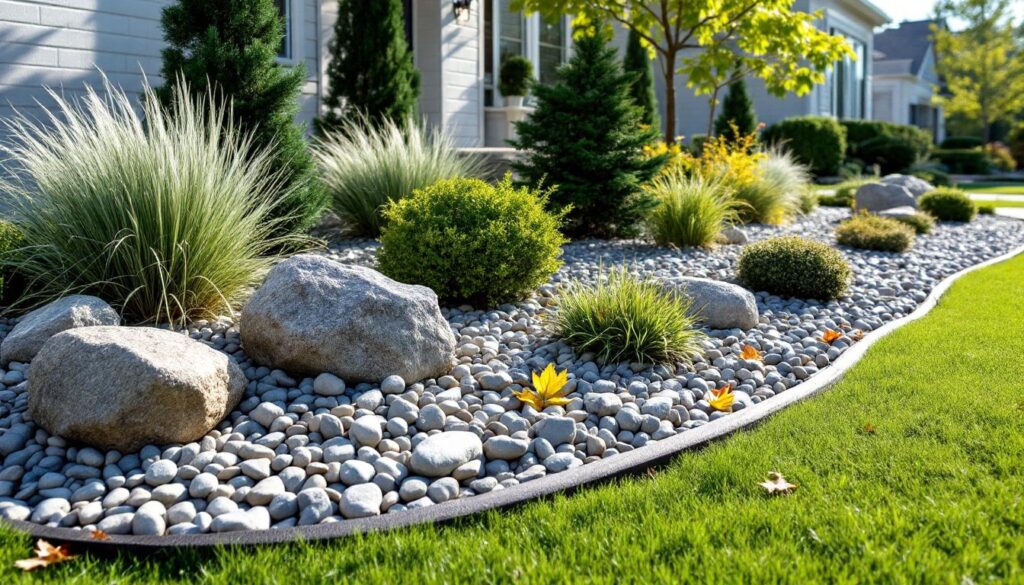
River rock landscaping has become a go-to choice for homeowners seeking low-maintenance, visually striking front yards. Whether someone wants to reduce lawn mowing, improve drainage, or create a modern aesthetic, river rock delivers on all fronts. Unlike mulch or traditional ground cover, river rocks resist decomposition, won’t blow away in wind, and add textural depth to any outdoor space. They work equally well in arid climates and humid regions, making them versatile across North America. This guide walks through design styles, color combinations, and practical installation steps to help anyone transform their front yard into a landscape that actually looks good year-round.
Key Takeaways
- Front yard river rock landscaping eliminates the need for seasonal maintenance like raking and fluffing, requiring only an annual leaf removal to stay pristine year-round.
- River rocks cost $30–$100 per ton delivered, making them significantly more affordable than pavers while offering superior drainage compared to solid hardscapes.
- Design cohesion in river rock landscaping comes from choosing a consistent color palette—such as 60% light gray with 40% dark gray—paired with appropriate plants like ornamental grasses and desert shrubs.
- Proper installation requires landscape fabric, defined edging, and a 2–3 inch depth to prevent weeds and rock displacement, separating successful projects from maintenance-heavy failures.
- Unlike mulch that decomposes every 3–5 years, river rock is durable and pet-friendly, making it ideal for homeowners seeking low-maintenance solutions that resist wind displacement and won’t attract wood-boring insects.
Why Choose River Rock for Front Yard Landscaping
River rocks bring several practical advantages that make them worth considering over traditional landscaping materials. They’re durable, require virtually no replacement, and won’t decompose like wood mulch does after 3-5 years. Once installed, river rocks stay put, they don’t need raking, fluffing, or seasonal refreshing.
Drainage improves significantly with river rock. Unlike solid pavers, rocks allow water to percolate through, reducing puddles and runoff issues. This matters especially in areas with heavy rainfall or clay-heavy soil. The rocks also reflect heat upward, which can help warm the soil in cooler climates while keeping ground temperatures more stable.
Maintenance is minimal. A quick annual rake-through removes fallen leaves, and that’s essentially it. They’re pet-friendly, don’t attract termites or other wood-boring insects, and won’t stain a driveway like some organic mulches do. For homeowners who dislike constant yard work, river rock is a genuine time-saver.
Cost-wise, river rocks typically run $30–$100 per ton delivered, depending on color and size. A 100-square-foot front bed might need 4–6 tons, depending on depth (2–3 inches is standard). That’s substantially cheaper than pavers or hardscape installation, though it’s more upfront investment than basic mulch.
Essential Design Styles for River Rock Front Yards
Modern Minimalist Designs
Minimalist front yards with river rock embrace clean lines and restrained plant selection. Pair large, smooth river rocks (1.5–3 inches) in neutral grays or blacks with architectural plants like ornamental grasses, dwarf conifers, or spiky yuccas. The rocks themselves become the visual anchor, so choose a consistent size and color to avoid a chaotic look.
Design a simple geometric layout: concentric circles, straight borders, or a single defined planting island in the center. Avoid scattered plantings or crowded beds. Use steel or composite edging to keep rocks crisp and separated from the lawn. This approach works especially well with modern home facades featuring clean materials and minimal ornamentation.
Desert and Xeriscape Aesthetics
Desert-style landscaping pairs river rock with drought-tolerant plants to create a low-water, naturalistic front yard. Combine warm-toned river rocks, terracotta, rust, or sandy gold, with succulents, desert shrubs (Apache plume, desert rose), and native groundcovers. The warmth of the rocks complements the muted greens and grays of desert vegetation.
Layer rocks of varying sizes to create depth and visual interest. Use larger anchor rocks (4–6 inches) near plant bases, then fill surrounding areas with smaller rocks (0.75–1.5 inches). This mimics how rocks naturally settle in arid terrain. Add a few larger boulders as focal points, positioned off-center for visual balance. This style requires virtually no irrigation once plants are established, making it ideal for water-conscious homeowners or areas with restricted watering.
Color Palettes and Material Combinations
River rock colors range dramatically, and the choice sets the entire landscape mood. Light gray or white rocks brighten a front yard and reflect heat, useful in hot climates, but can feel stark without the right plant companions. Pair them with dark-foliaged shrubs or architectural plants with colored foliage (barberry, smoke bush) to avoid a washed-out appearance.
Dark gray or black river rocks create a sophisticated, contemporary look. They’re excellent for modern homes and pair beautifully with silver-gray foliage plants, white flowers, or bright accent plantings. Dark rocks absorb more heat, so consider this if soil temperature matters for plant selection.
Warm-toned rocks (rust, tan, gold, terracotta) work beautifully in transitional or rustic settings. They complement warm-colored home exteriors and pair naturally with warm-hued perennials, ornamental grasses, and Mediterranean plants.
Mix rocks intentionally rather than defaulting to one color. A two-color palette, say, 60% light gray and 40% dark gray, adds sophistication without looking accidental. Some designers layer rocks by depth: darker rocks at the base of plants, lighter rocks toward the front edges, creating a subtle gradient that guides the eye.
Combine river rock with other hardscape materials selectively. Flagstone pathways cutting through rock beds define circulation, while gravel edges (pea gravel or decomposed granite) create subtle transitions between planted areas and lawn. Avoid over-mixing: restraint makes the strongest statement.
Practical Installation and Maintenance Tips
Installation starts with proper site prep, this step separates successful projects from weedy nightmares. Clear all grass and existing vegetation from the planting bed. Remove rocks, roots, and debris. For an area prone to weed pressure, lay landscape fabric (a quality 4-6 oz non-woven type) directly on the soil before adding rocks. This fabric stops weeds from pushing through while allowing water drainage.
Edge the bed properly. Without a defined border, rocks migrate into the lawn with every mowing, and grass creeps into the bed. Use steel edging, composite borders, or even a shallow concrete curb. Ensure the edging sits slightly above the surrounding grade to contain the rocks effectively.
Order river rocks to be delivered: hauling 4-6 tons by hand isn’t practical. Request 0.75–1.5 inch size for bed fill and larger accent rocks (4–6 inches) separately. Before delivery, measure the area carefully. A 100-square-foot bed at 3 inches deep requires roughly 9 cubic yards, or approximately 11-13 tons depending on rock density.
Spread rocks 2–3 inches deep. An uneven depth looks amateur and allows weeds to poke through thin spots. Work rocks around plant bases, leaving a small collar (2–3 inches) of exposed soil around each plant for water penetration and future mulching if needed.
Maintenance is straightforward. Annually, remove fallen leaves and debris with a leaf blower or a gentle rake, avoid vigorous raking that displaces rocks. Every 2–3 years, top-dress thin spots with fresh material. If weeds do emerge through fabric, hand-pull them or use a narrow weeding tool rather than herbicides near plantings.
In winter climates, snow and ice don’t damage river rocks, but heavy machinery can displace them. Clear snow carefully or leave a small rock-free border for snow placement to avoid pushing rocks onto adjacent areas.
Conclusion
River rock landscaping offers durability, low maintenance, and genuine design flexibility for any front yard. The key lies in choosing a cohesive style, selecting appropriate colors and plant companions, and executing thoughtful installation. Start with a single bed to test the approach before expanding. A well-planned river rock front yard delivers curb appeal and years of trouble-free beauty, without the constant upkeep of traditional landscaping.