Finding a reliable carpet cleaner company can feel overwhelming, there are countless options, conflicting reviews, and no shortage of promises that don’t pan out. Whether someone needs a deep carpet cleaning for pet stains, a local carpet cleaner for weekly touch-ups, or a whole house carpet cleaning service, knowing what separates legitimate professionals from mediocre ones saves both money and headaches. This guide walks through the essential criteria for evaluating carpet cleaner companies, from certifications and cleaning methods to pricing transparency and customer service. By the end, readers will understand what makes a deep cleaning carpet service worth the investment and how to spot red flags before hiring.
Key Takeaways
- A reputable carpet cleaner company should employ technicians with IICRC certification and maintain liability insurance and bonding to protect your home from damage.
- Steam cleaning (hot water extraction) is the most effective deep cleaning method, removing 95%+ of moisture and working on nearly all carpet types, while dry cleaning is better suited for light maintenance.
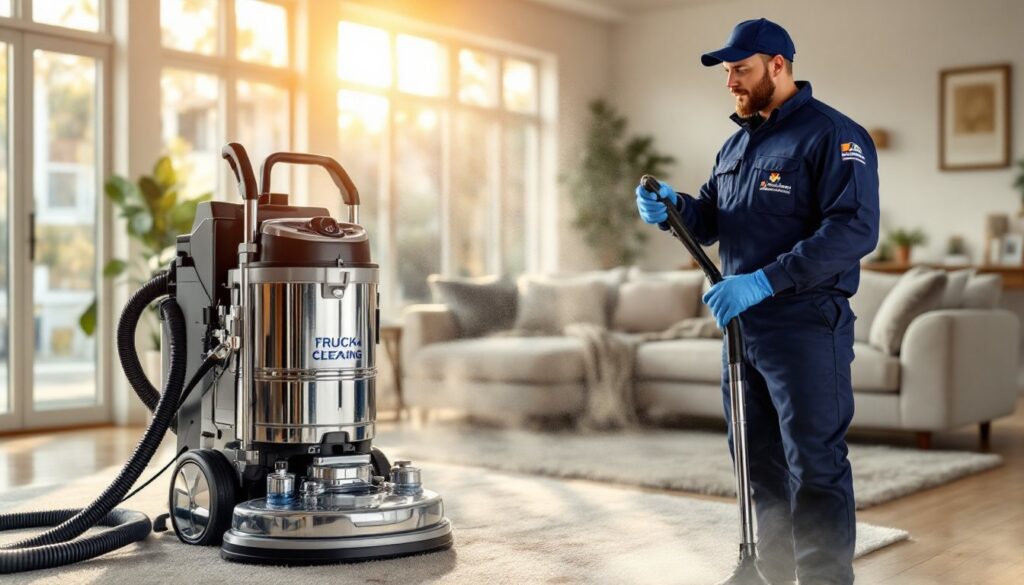
- Legitimate carpet cleaner companies provide written estimates upfront, back their work with satisfaction guarantees, and use high-quality equipment like truck-mounted units that maintain 200°F+ temperatures.
- Avoid carpet cleaner companies that use aggressive sales tactics, won’t provide references, avoid written estimates, or offer suspiciously low pricing that often indicates cut corners and inexperienced staff.
- Quality customer service is essential—professionals should respond promptly, answer technical questions, provide preparation instructions, and follow up after the deep cleaning service to ensure satisfaction.
What to Look for in a Professional Carpet Cleaner
A reputable carpet cleaner company isn’t just someone with a van and a vacuum. The best operations employ trained technicians who understand fiber types, soil chemistry, and equipment operation. Start by checking whether the company or its technicians hold certifications from recognized organizations like the Institute of Inspection, Cleaning and Restoration Certification (IICRC). This credential requires passing exams on carpet fiber identification, stain removal, and proper equipment use, it’s an industry standard for professionals serious about their craft.
Experience matters too. A local carpet cleaner with 10+ years in business has seen nearly every stain type and carpet problem imaginable. They’ve learned which methods work on wool versus synthetic fibers, how to handle delicate orientals, and when to recommend professional restoration instead of DIY attempts. Ask how long the company has been operating, whether the same team typically handles jobs, and if they’re willing to discuss past projects. Check references, not just testimonials on their website, but actual follow-up calls to previous customers about their experience.
Certifications, Training, and Experience
The IICRC certification is the gold standard, but legitimate operations also maintain liability insurance and bonding. Insurance protects homeowners if the cleaning damages carpet or causes water damage, while bonding ensures the company can cover claims if something goes wrong. A carpet cleaner company worth hiring will proudly share these credentials: if they’re evasive or claim they “don’t need” certifications, that’s a warning sign. Ask specifically about their technician training program, do they train in-house, require ongoing education, or rely on manufacturer certifications? Ongoing training shows commitment to staying current with new techniques and fiber treatments that have emerged in recent years.
Cleaning Methods and Technology
Not all carpet cleaning approaches are equal. The method a company uses affects how thoroughly dirt is removed, how much moisture is left in the carpet, and whether the fibers sustain damage. Understanding the main options helps when comparing quotes from different carpet cleaner companies.
Steam cleaning (hot water extraction) is the most common and effective method for deep cleaning. It works by injecting hot water and cleaning solution deep into carpet fibers, then suctioning out the dirty water. The best equipment delivers consistent water temperature and pressure while removing 95%+ of moisture before drying. This method works on nearly all carpet types and is tough on stubborn stains, making it ideal for a whole house carpet cleaning project or addressing heavily soiled areas.
Dry cleaning uses minimal water, instead, technicians apply a dry compound or liquid cleaner that doesn’t require extended drying time. It’s faster and leaves carpet ready to walk on within an hour. But, it’s less effective at removing deep soil and is better suited for light maintenance rather than deep carpet cleaning service needs. Some homeowners prefer it for commercial spaces or high-traffic areas where minimal downtime is critical.
Eco-friendly options have gained traction. These typically use plant-based detergents, lower temperatures, or alternative extraction methods to reduce environmental impact. While they’re gentler on pets and children, they’re not always as powerful for heavily soiled carpet. A reputable carpet cleaner company will explain the trade-offs of each method and recommend based on the carpet’s condition, fiber type, and the homeowner’s priorities.
Steam Cleaning vs. Dry Cleaning vs. Eco-Friendly Options
When comparing methods, ask about the equipment specifications. High-quality steam cleaning machines maintain temperature at 200°F+ and generate 200+ PSI of pressure for better extraction. The truck-mounted units (where the power source stays outside) typically outperform portable machines. A local carpet cleaner should be able to explain their equipment and why it suits the job. Dry cleaning compounds should be non-toxic and residue-free: if the carpet feels sticky or stiff after drying, the technician didn’t rinse thoroughly or used subpar product. For eco-friendly approaches, verify actual certifications (like Green Seal) rather than just marketing language. The best professional operations often blend methods, using steam for heavy soiling and dry techniques for sensitive fibers or quick-turnaround jobs.
Pricing, Guarantees, and Customer Service
Price alone shouldn’t dictate the choice, but transparency matters. Legitimate carpet cleaner companies provide written estimates before work begins and explain what’s included. Pricing typically breaks down by square footage or room, with adjustments for heavily soiled areas, pet stains, or specialty treatments like scotchgarding. Be wary of quotes that seem too low, they may indicate rushed work, inferior products, or hidden upsells once the technician arrives.
A reputable deep cleaning carpet service backs its work with guarantees. Some offer satisfaction guarantees (if the homeowner isn’t happy, they’ll re-clean at no charge), while others guarantee stain removal on specific types of marks. These guarantees show confidence in the technician’s skill and the products used. Ask about the fine print: What stains are covered? How soon must claims be made? What happens if the carpet doesn’t dry properly or water damage occurs?
Customer service quality reveals a lot about the operation. Call or email with questions, do they respond promptly and professionally? Do they answer technical questions or brush them off? A whole house carpet cleaning project requires coordination, clear communication about scheduling, preparation instructions (moving furniture, picking up toys, vacuuming beforehand), and post-cleaning care. A professional company provides this guidance proactively and follows up afterward to ensure satisfaction.
Red Flags and What to Avoid
Several warning signs suggest avoiding a particular carpet cleaner company. Be cautious of door-to-door sales tactics, aggressive discounts advertised in flyers, or pressure to book same-day service. Legitimate businesses don’t need hard-sell tactics. If a company won’t provide references, misrepresents certifications, or avoids giving a written estimate, walk away. Also watch for hidden fees, some add charges for moving furniture, scotchgarding, deodorizing, or “pet treatment” that weren’t mentioned upfront.
Another red flag: overly cheap pricing or packages that promise the world for suspiciously low rates. These companies often cut corners with inadequate equipment, inexperienced staff, or watered-down cleaning solutions. A trustworthy local carpet cleaner charges fairly for quality work and explains the reasoning. Finally, check online reviews carefully, a few negative reviews are normal, but patterns of complaints about water damage, residue left behind, or workers being rude suggest systemic problems. Look for consistency: do recent reviews match older ones, or have standards changed recently?
Conclusion
Choosing the right carpet cleaner company comes down to verification and communication. Check certifications, ask about methods and equipment, demand written estimates, and read recent reviews from verified customers. The best carpet cleaner companies, whether offering deep carpet cleaning, local service, or whole house carpet cleaning, invest in training, use quality equipment, and stand behind their work with guarantees. Taking time upfront to vet a professional service prevents costly mistakes and ensures carpets stay clean and protected for years to come.