Moving into a new home is exciting, but it rarely comes with the guarantee that the previous occupants left everything spotless. That’s where move-in deep cleaning comes in, a thorough, room-by-room refresh that tackles hidden dust, built-up grime, and areas the standard walkthrough won’t reveal. Whether someone just closed on a house or signed a lease for an apartment, understanding what a deep move out cleaning entails can make the difference between moving into a space that merely looks clean and one that actually is clean. This guide covers everything needed to approach moving house cleaning strategically, from identifying problem areas to executing a systematic deep clean before unpacking a single box.
Key Takeaways
- Move-in deep cleaning is a comprehensive, top-to-bottom refresh that tackles hidden dust, grime, and areas a standard walkthrough misses—far more intensive than everyday tidying.
- Deep cleaning before moving in protects your family’s health by eliminating allergens, mold, and bacteria that accumulate in overlooked spaces like HVAC ducts, behind appliances, and under carpeting.
- Prioritize the kitchen and bathrooms during move-in deep cleaning, paying special attention to appliance interiors, exhaust vents, grout, caulk, and moisture-prone areas where mold thrives.
- A systematic top-to-bottom approach—starting with ceilings and working room-by-room from high to low—prevents missed areas and maximizes efficiency.
- Hiring professionals for specialized tasks like carpet cleaning, oven cleaning, or window washing is a practical option if time or physical ability is limited.
What Is Move-In Deep Cleaning?
Move-in deep cleaning goes beyond a standard vacuuming or surface wipe-down. It’s an intensive, top-to-bottom refresh of every surface, corner, and hidden space in the home. This includes cleaning inside cabinets, appliance interiors, baseboards, ceiling fans, light fixtures, window tracks, and areas that accumulate dust and debris over years of previous occupancy.
Unlike everyday tidying, a move in house cleaning tackles built-up grime, soap scum on shower tiles, grease residue inside ovens, dust bunnies under appliances, and hard water stains on faucets. Someone performing a deep move out cleaning should expect to spend anywhere from several hours (for a small apartment) to multiple days (for a larger home). The goal is to create a clean slate, ensuring every surface is sanitized and every corner inspected before moving belongings in.
This process differs markedly from a standard move out house cleaning near me, which typically focuses on general tidiness. A true deep clean requires methodical planning, specialized cleaning products, and sometimes professional help for stubborn issues like carpet stains or appliance buildup.
Why Move-In Deep Cleaning Matters
Starting life in a new home without addressing buried dirt and allergens can affect health and comfort from day one. Pet dander, dust mites, mold spores, and bacteria thrive in neglected spaces, inside HVAC ducts, behind appliances, and under carpeting. A person who skips deep cleaning might unknowingly expose their family to these irritants, potentially triggering allergies or respiratory issues within weeks.
Beyond health, a thorough deep move out cleaning protects the home’s condition. Grease buildup in kitchen vents reduces ventilation efficiency and becomes a fire hazard. Mold growing behind baseboards or under sinks can spread and cause structural damage if left unchecked. Dust coating ceiling fans and light fixtures doesn’t just look neglected, it affects air quality and lighting performance.
Finally, a clean home sets a positive tone. Someone moving into a sanitized, well-maintained space feels a sense of ownership and pride instantly. It’s also far easier to keep a home clean when the starting point isn’t years of accumulated mess. Whether hiring professionals for a comprehensive move out house cleaning or tackling it personally, the investment pays dividends in health, home longevity, and peace of mind.
Essential Areas to Deep Clean Before Moving In
Kitchen and Appliances
The kitchen is the most labor-intensive room in any deep move in house cleaning. Start with the inside of cabinets and drawers, wipe every shelf with a damp cloth, removing dust and debris. Check for signs of pests (droppings, webbing) before restocking.
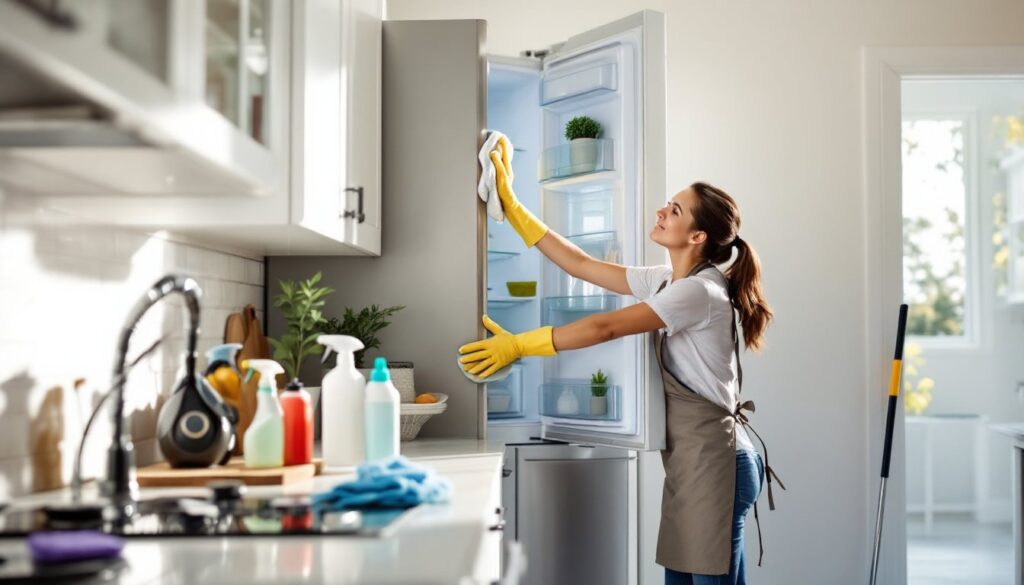
Appliances demand special attention. Inside the refrigerator, pull out shelves, soak them if removable, and wipe every surface with a food-safe antibacterial cleaner. The freezer often harbors frost, spills, and odors, defrost if needed and sanitize thoroughly. For the oven, use a commercial oven cleaner or a paste of baking soda and water (let it sit overnight for stubborn buildup), then scrape and rinse. Microwave interiors collect splattered food: steam-clean using a bowl of water with lemon, then wipe surfaces. Don’t forget the dishwasher filter, interior walls, and rubber seals, mold grows in damp crevices.
Clean the stovetop, burners, and hood vent. Grease accumulates heavily in kitchen exhaust systems: degreaser or a commercial range hood cleaner works best. Wipe down all cabinet exteriors, handles, and the backsplash. Baseboards around the kitchen collect crumbs and dust, scrub with a stiff-bristled brush and multipurpose cleaner. Finish with windows and the sink, paying attention to the faucet aerator, which often clogs with sediment.
Bathrooms and Fixtures
Bathrooms require attention to moisture-prone areas where mold and mildew thrive. Start with the toilet, use a commercial bowl cleaner, let it sit per instructions, then scrub under the rim and around the base. Don’t ignore the tank exterior and the floor behind the toilet.
For the shower and tub, remove any existing caulk if it’s discolored or moldy, or apply a bleach-based cleaner if it’s salvageable (follow ventilation guidelines and wear gloves). Scrub tile grout with a grout brush and a specialized grout cleaner, this is tedious but rewarding. Clean soap scum from glass shower doors using a squeegee daily habit setter or a vinegar-based spray. Pay attention to exhaust fan covers, which collect dust and reduce ventilation efficiency, remove and soak in warm water if possible.
Wipe every shelf in medicine cabinets and under-sink storage. Clean faucet aerators to remove mineral deposits. Scrub baseboards and the floor thoroughly, especially corners where hair and dust accumulate. Finally, address ventilation, if the exhaust duct vents to the attic rather than outside, that’s a long-term moisture problem to address with a contractor. For now, ensure the fan works properly and the filter (if accessible) isn’t clogged.
Step-By-Step Move-In Cleaning Process
A systematic approach prevents missed areas and saves time. Here’s a practical workflow:
1. Gather supplies and tools. Stock up on microfiber cloths, sponges, scrub brushes, a mop, vacuum, and cleaning products, all-purpose cleaner, degreaser, bathroom cleaner, oven cleaner, grout cleaner, and disinfectant. Wear gloves, safety glasses, and a dust mask when using chemical cleaners in enclosed spaces.
2. Start at the top of the home. Clean ceilings, light fixtures, and ceiling fans first: dust and debris fall downward. Use a damp cloth to wipe fan blades and light fixtures carefully.
3. Work room by room, high to low. Within each room, clean upper surfaces (shelves, cabinets) before floors. This prevents rewashing floors with falling dust.
4. Tackle appliances early. Interior fridge, oven, and dishwasher cleaning takes time: start these tasks early or break them into multiple days if necessary.
5. Focus on often-missed spots. Inside air vents, under radiators, behind curtain rods, door frames, light switches, and the backs of cabinet doors collect dust. Use a crevice tool on the vacuum for tight spaces.
6. Deep clean bathrooms and kitchen last. These rooms benefit from a fresh finish just before moving in: leave them spotless.
7. Finish with flooring. Vacuum thoroughly, then mop hard floors or treat carpet with a rented steam cleaner if heavy soiling is present. Allow drying time before bringing furniture in.
Consider hiring professionals for specific tasks, carpet cleaning, oven cleaning, or window washing, if time or physical ability is limited. Many teams offer comprehensive move out cleaning services tailored to new-home needs.
Conclusion
A proper move-in deep cleaning transforms an inherited home into a genuinely fresh start. By systematically addressing the kitchen, bathrooms, and often-overlooked spaces, someone can eliminate hidden allergens, address potential damage early, and establish a clean baseline. Whether tackling it personally or hiring professionals for move-in house cleaning near you, the effort ensures health, comfort, and long-term home protection. Start with a plan, allocate adequate time, and don’t skip the details, your new home deserves nothing less.