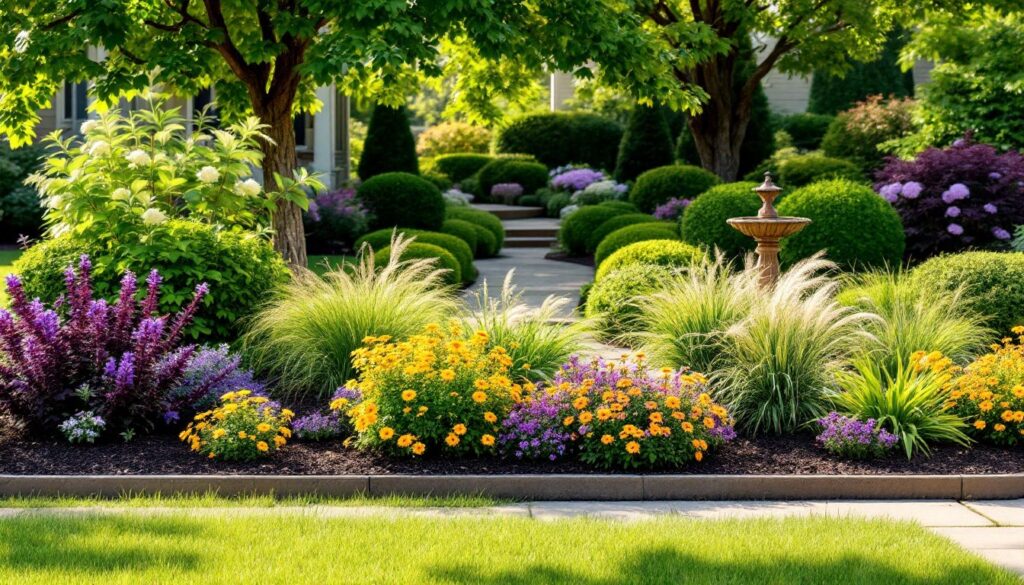
A well-designed front yard does more than boost curb appeal, it establishes the first impression of a home and can increase property value. Yet many homeowners treat landscaping as an afterthought, scattering plants randomly or copying designs that don’t fit their climate or lifestyle. Beautiful front yard landscaping doesn’t require expensive contractors or a blank check. With thoughtful planning, smart plant selection, and strategic hardscaping, any homeowner can transform their front yard into a cohesive, attractive outdoor space. The key is understanding the fundamentals: assessing the site, choosing plants suited to the environment, and layering elements that work together visually. This guide walks through the essential steps for creating a landscape that’s both functional and beautiful, season after season.
Key Takeaways
- A well-planned approach to beautiful front yard landscaping—including style definition, budget assessment, and site evaluation—establishes the foundation for a successful design that boosts curb appeal and increases property value.
- Layering plants strategically with canopy trees, understory shrubs, and groundcover creates visual depth and dimension that transforms a flat front yard into an attractive, cohesive outdoor space.
- Selecting native plants suited to your local climate, light conditions, and soil type reduces maintenance needs and supports pollinators while delivering better long-term performance and cost savings.
- Hardscape elements like pathways, borders, and focal points anchor the landscape design and provide structure that ties the front yard together with intentional character.
- Year-round appeal requires mixing plants with different bloom times, varying textures and forms, and using a disciplined color palette to keep your front yard visually interesting across all seasons.
Start With a Strong Foundation: Planning Your Landscape Design
Define Your Style and Budget
Before buying a single plant, spend time on the front end clarifying vision and constraints. A homeowner’s style might run toward modern minimalist, cottage charm, xeriscape efficiency, or formal structure, and that choice shapes everything downstream. Looking at neighborhood examples, Pinterest boards, or landscape design websites can help confirm preferences, but the goal isn’t copying: it’s identifying patterns that resonate.
Budget matters equally. A realistic front yard budget might range from $500 for cosmetic updates (new plants and mulch) to $5,000+ for hardscape work (new pathways, edging, or grading). Material costs, labor (if hired), and local market conditions affect pricing significantly. Scope the work into phases if funds are tight, install hardscape first, then plants over subsequent seasons. A phased approach also gives plants time to establish without overcrowding the space.
Assessment and Site Evaluation
Next, conduct a site audit. Walk the front yard at different times of day and note sun exposure, does the space get full sun (6+ hours), partial shade (3–6 hours), or deep shade (under 3 hours)? Shade patterns shift with seasons, so observe both spring and summer conditions. Check soil type by digging a small hole: sandy soil drains fast, clay drains slowly, and loam (a mix) is ideal. Poor drainage spots need fixing before planting. Also note existing trees or structures that define microclimates and hardscape opportunities.
Measure the front yard’s dimensions and sketch a rough layout. Identify the entry point, existing focal points (a large tree, a water feature), and any problem areas (eroded spots, unwanted views to hide). Building codes vary by jurisdiction, but check setback requirements, most codes specify how close plants, fences, or pathways can be to property lines or sidewalks. This prevents future conflict with neighbors or code enforcement.
The Power of Plants: Selecting Trees, Shrubs, and Flowers
Layering for Visual Interest and Dimension
A common mistake is treating a front yard like a flat canvas. Layering plants, combining tall trees or shrubs at the back, mid-sized plants in the middle, and low groundcovers or flowers at the front, creates depth and visual interest. A typical layering structure includes:
- Canopy layer: Large deciduous or evergreen trees (20–40 feet tall) that frame the house and provide shade. Hardiness zones matter, a tree thriving in zone 5 may struggle in zone 8. Check USDA hardiness zone maps to confirm species suit the climate.
- Understory layer: Shrubs (5–15 feet) like crape myrtles, viburnums, or knockout roses that fill the middle ground and can hide foundation issues. Evergreen shrubs provide year-round structure.
- Groundcover and perennial layer: Low-growing plants (1–3 feet) that soften edges and add seasonal color. Perennials like coreopsis, black-eyed Susan, and salvia are low-maintenance and attract pollinators.
Choose plants suited to the site’s light and soil conditions. A sun-loving ornamental grass like feather reed grass (actually a grass, not a flowering perennial) placed in shade will thin and underperform. Conversely, shade-tolerant hostas will scorch in full sun. Read plant tags and verify mature size, a shrub labeled “3–4 feet” grows to that width and height, so space accordingly. Crowding plants to save money leads to disease, weak growth, and future removal costs.
Native plants deserve emphasis. They’re adapted to local climate and soil, require less water and fertilizer, and support local pollinators. Many regions have excellent native options, sedges, native asters, serviceberries, and eastern redbuds, that perform better and cost less long-term than finicky ornamentals.
Hardscape Elements: Pathways, Borders, and Focal Points
Hardscape, the non-plant structural elements, anchors a landscape and ties spaces together. A welcoming front yard includes a clear pathway from the driveway or street to the front door. Mulched pathways (wood chips or shredded bark) are budget-friendly and easy to refresh. Permeable paving (gravel, recycled asphalt, or permeable pavers) drains water better than solid concrete, reducing runoff. Solid pathways like concrete pavers or stone steppers are durable and formal-looking but cost more and require level, well-compacted subgrade.
Borders define planting beds and keep mulch from migrating into the lawn. Metal or plastic edging is affordable and clean-lined: stone or brick borders look polished but cost more. Don’t skip edging, it’s the difference between a tidy landscape and a haphazard one.
Focal points draw the eye and anchor the design. These might include a specimen tree (a single tree showcasing unique color, texture, or form), a water feature like a birdbath, a seating area, a trellis, or even architectural details on the house itself. A focal point prevents the eye from bouncing aimlessly and gives the landscape intentional character. Place focal points off-center for a more dynamic, less static look.
Create Year-Round Appeal With Seasonal Color and Texture
A front yard that looks vibrant in June but drab in January feels incomplete. Year-round appeal requires mixing plants with different bloom times and persistent texture.
Spring bloomers (tulips, magnolias, serviceberries, redbud) kick things off. Summer performers (roses, hydrangeas, salvias, ornamental grasses) sustain color. Fall contributors (asters, mums, ornamental grasses, tree foliage) extend interest into autumn. Winter structure comes from evergreens, colorful bark (birches, dogwoods), seed heads (coneflowers, grasses), and persistent berries (winterberries, chokeberries).
Don’t rely on bloom color alone, vary texture and form. Combine fine-textured plants (ornamental grasses, feathery astilbe) with bold, coarse foliage (hostas, large-leaved shrubs). Upright forms contrast with mounding or spreading shapes. This mix keeps the landscape visually interesting even when few plants are blooming.
Implementing seasonal color doesn’t mean cluttering the space. A disciplined palette, say, whites and purples in spring, yellow and blue in summer, rust and gold in fall, feels cohesive. Avoid the temptation to plant one of everything: repetition (the same shrub or flower repeated three or five times) creates rhythm and visual weight.