Whether someone’s clearing a garden bed, edging a lawn, or building a raised bed, the right landscaping hand tools make the difference between a job that’s rewarding and one that leaves them sore and frustrated. Quality hand tools are the backbone of any landscaping project, they’re more affordable than power equipment, require no fuel or charging, and last decades with proper care. This guide walks through the essential landscaping hand tools for sale today, what to look for when buying, and how to keep them in top shape. Whether tackling a small residential project or maintaining a larger property, understanding which tools deliver real value helps avoid costly mistakes and wasted money on tools that collect dust in the garage.
Key Takeaways
- Quality landscaping hand tools for sale are more affordable and durable than power equipment, requiring no fuel or charging while lasting decades with proper maintenance.
- Choose the right shovel style—round-point for loose material and square-point for edging—and invest $25–$50 in carbon steel blades that hold their edge longer than stainless alternatives.
- Test weight and balance before purchasing landscaping hand tools, as proper balance reduces fatigue and prevents hand strain during extended use.
- Established brands like Fiskars and Ames justify higher upfront costs through superior durability, secure fasteners, and reasonable warranties that protect your investment.
- Regular maintenance—including post-use cleaning, seasonal oiling, and blade sharpening—transforms landscaping hand tools into decade-long assets that continuously deliver value.
- Start with essentials like a shovel, spade, rake, hoe, hand pruners, and lopper before adding specialized tools as your landscaping projects expand.
Essential Hand Tools Every Landscaper Should Own
Shovels, Spades, and Digging Tools
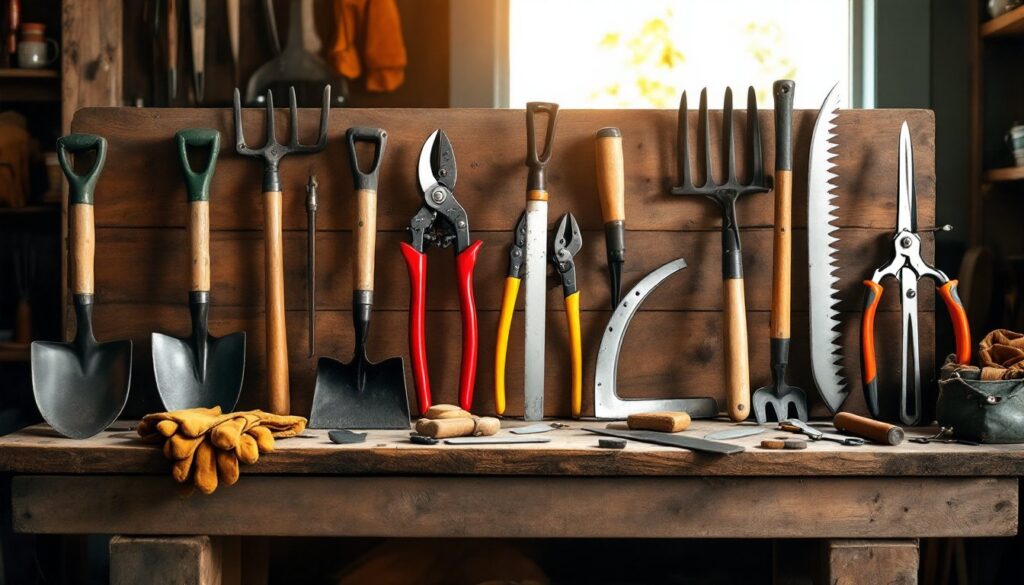
Not all digging tools are created equal. A round-point shovel with a 7–8 inch blade scoops loose material like soil, mulch, and gravel. The curved blade makes digging into loose piles efficient. A square-point spade, by contrast, has a flat blade and shorter handle, it’s built for edging, slicing through roots, and moving dense material. Many landscapers own both.
For serious digging, a long-handle shovel (typically 48 inches) works well for trenching or moving bulk material. A short-handle shovel (around 28 inches) offers better control for detail work and fits in tight spaces. Look for a fiberglass or wood shaft, both are standard. Fiberglass is lighter and won’t splinter: wood absorbs shock and is easier to replace if the shaft cracks.
The blade material matters too. Carbon steel holds an edge and handles rocks without chipping: stainless steel resists rust but dulls faster. Budget $25–$50 for a decent shovel: premium tools from established brands cost more but last longer. Test the weight and balance in-hand if possible, a 7-pound tool feels drastically different from a 9-pound one after two hours of work.
Rakes, Hoes, and Cultivators
A garden rake with 10–12 teeth, typically 14–16 inches wide, is the workhorse for spreading mulch, leveling soil, and breaking up clods. Its wide, shallow teeth glide across surface material. A leaf rake (also called a fan rake) has thinner, more flexible tines and works well for gathering leaves and light debris without damaging delicate plants.
A hoe with a rectangular blade cuts weeds at the soil line and breaks up compacted earth. Standard width is 6–8 inches. The Warren hoe, with a triangular or V-shaped blade, creates furrows for planting seeds. For intensive cultivation of small beds, a hand cultivator (about 3 feet long with claw-like tines) digs into soil and loosens it without removing plants, useful for removing small weeds and aerating.
Shaft material again: fiberglass is lightweight, wood is traditional and dampens vibration. Expect to spend $15–$40 for a quality rake or hoe. Check that the tool head is securely fastened: a loose ferrule (the metal band that connects head to shaft) is a sign of poor construction.
Specialized Tools for Specific Landscaping Tasks
Pruning and Cutting Tools
Hand pruners (also called secateurs) come in two styles: bypass (scissor-like, with a sharp blade that cuts clean) and anvil (one blade presses against a flat surface, useful for dead wood). Bypass pruners are better for living plant material: anvil pruners work for thicker, harder branches. Quality pruners cost $20–$60 and feel comfortable in the hand. Poor-quality pruners fatigue the hand and make ragged cuts that don’t heal cleanly.
A lopper extends reach to 18–32 inches and handles branches ½ inch to 2 inches thick. Longer handles give mechanical advantage but add weight. For branches thicker than 2 inches, a folding saw or pruning saw (10–12 inch curved blade) cuts faster and smoother than a lopper on thick wood. Saws cost $15–$40 and are essential for heavy pruning.
Hedge shears (also called hand shears) trim hedges and shrubs. Blades are typically 8–10 inches: longer blades cover more area but are heavier. For edging turf or borders, a lawn edger (half-moon shaped blade on a handle) cuts clean lines between lawn and beds. These are inexpensive ($10–$25) and prevent grass creep into planting areas.
For brambles and thorny growth, leather gloves and long sleeves are essential PPE. Dull cutting tools cause hand strain and slips, keep blades sharp. Some manufacturers sell sharpening guides: others recommend professional sharpening every season.
How to Choose Quality Landscaping Hand Tools
Weight and balance matter more than most people realize. Pick up tools before buying. A tool that’s too heavy tires the user: one that’s too light often feels flimsy. Ideally, the weight should feel centered at the tool head, not pulling at the shaft.
Material quality directly affects lifespan. Carbon steel blades hold sharp edges and resist breakage on rocks: stainless steel and painted steel rust over time in wet conditions. Fiberglass shafts last longer than wood but cost slightly more. Avoid tools with plastic parts unless they’re reinforced, plastic grips wear out or crack.
Check the connection between head and shaft. A loose ferrule or poorly welded joint fails fast. Wooden handles should be sealed, not raw, sealed wood resists weather and splinters. For digging tools, the blade should be solid-forged steel, not stamped: a forged blade is stronger and holds its shape under stress.
Brand reputation matters. Established manufacturers like Fiskars, Ames, or Bully Tools test products and offer reasonable warranties. A tool that costs 20% more upfront often lasts twice as long. Cheaper tools from unknown brands frequently bend, snap, or dull quickly, wasting both money and frustration.
Buy essential tools first and add specialized ones as projects demand. Most homeowners need a shovel, spade, rake, hoe, hand pruners, and lopper. Growth into specialty tools like mattocks or soil augers comes naturally as landscaping deepens. Local garden centers let buyers test tools: online retailers offer detailed reviews. Check return policies, a tool that doesn’t feel right in-hand will sit unused.
Durability and Maintenance Tips for Longevity
Cleaning after use is the simplest maintenance step. Soil, mulch, and plant debris trap moisture against metal. After use, rinse tools with a hose, dry them with a cloth, and store in a dry location. Leaving a shovel in wet grass overnight accelerates rust.
For steel blades, occasional sharpening keeps tools efficient. A hand file or whetstone works for most tools: pruners benefit from a light sharpening every month during heavy use. Dull tools require more force, leading to hand strain and poor cuts. Professionals send pruners and saws for professional sharpening annually.
Oil the metal parts lightly before storing for winter or extended periods. A thin coat of light machine oil or linseed oil prevents surface rust. Wipe excess oil away, puddling oil collects dust and isn’t helpful. Wooden handles benefit from linseed oil applied annually: it prevents drying, cracking, and splinters.
Store tools properly. Hang them on a wall rack or lean them in a corner, never leave blades on the ground or exposed to weather. A tool shed or garage keeps them out of rain and snow. Moisture is the enemy of metal and wood alike.
Shafts crack or split over time. Fiberglass shafts rarely fail: wooden shafts may split after years of use. Replacement shafts are inexpensive ($10–$25), making repair worthwhile. Many brands sell replacement parts, extending tool life indefinitely.
Inspect regularly for loose fasteners, bent blades, or cracked shafts. A tool with a small problem handled early lasts years longer than one ignored until failure. Regular maintenance transforms a $30 tool into one that serves for a decade, offsetting any initial cost concern.