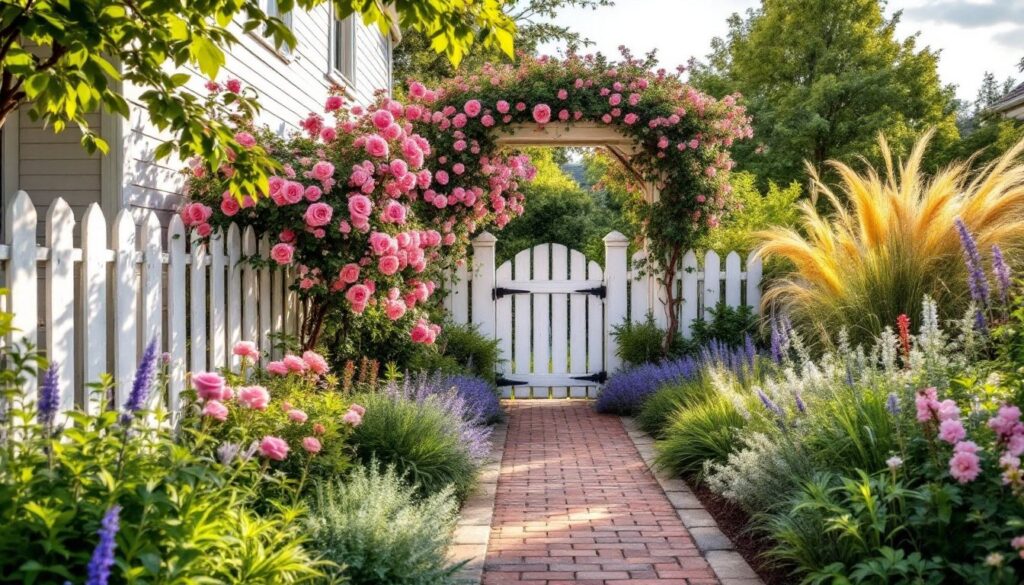
A cottage-style front yard isn’t just for country estates, it’s an achievable, welcoming aesthetic that works on suburban lots and urban homes alike. Cottage landscaping blends soft, informal plantings with practical hardscaping to create a garden that feels both cultivated and naturally abundant. The key is layering textures, colors, and heights while maintaining accessibility and a clear entry point to the home. This guide walks through the design principles, plant selections, and structural elements that define cottage curb appeal, so homeowners can build their own charming front-yard retreat without needing a landscape architect’s budget.
Key Takeaways
- Cottage landscaping ideas for front yards succeed by layering plants at three levels—ground covers, mid-height shrubs, and tall backdrops—to create visual depth and year-round interest.
- Choose a color palette of two to three primary hues with white or silver accents, then anchor the design with cottage staples like roses, lavender, and perennials such as coneflowers and black-eyed Susans.
- Create a clear pathway from the street to your front door at least 3-4 feet wide, flanked by lower-growing plants, to establish an inviting entry and prevent the garden from feeling overgrown.
- Use weathered, approachable hardscaping materials—gravel, brick pavers, and white picket fencing—rather than modern concrete or polished finishes to maintain authentic cottage aesthetics.
- Plant densely and allow two to three seasons for your cottage garden to knit together into a lush, abundant tapestry; year-round structure from evergreens and ornamental grasses prevents the landscape from looking bare in winter.
- Anchor focal points like rose-covered arbors, birdbaths, or specimen shrubs at the end of sightlines to add character and prevent the landscape from feeling chaotic.
Classic Cottage Garden Design Principles
Cottage gardens thrive on controlled abundance and romantic informality. Unlike formal landscapes with rigid symmetry, cottage-style yards embrace a looser composition where plants appear to spill over each other while remaining healthy and maintained.
Start with a color palette of two or three primary hues plus white or silver accents. Soft pastels, cream, pale pink, soft blue, and muted purple, work beautifully together, though deeper jewel tones (burgundy, deep blue, forest green) can add richness without clashing. The goal is harmony rather than stark contrast.
Layering is essential. Plan for plants at three levels: ground covers and short perennials (1-2 feet), mid-height shrubs and flowers (3-5 feet), and taller backdrop plants or small trees (6+ feet) that frame the view. This creates visual depth when viewed from the street.
Focus on year-round interest. Cottage gardens aren’t meant to look bare in winter. Include evergreen shrubs, ornamental grasses that stand through frost, and winter bloomers like hellebores or witch hazel to keep the landscape textured and alive across all seasons. A well-planned cottage yard transitions gracefully through spring bulbs, summer blooms, fall foliage, and winter structure.
Best Plants and Flowers for a Cottage-Style Front Yard
Roses, Lavender, and Perennials
Roses are the backbone of cottage gardens. English roses, shrub roses, and heirloom varieties (not modern hybrid teas) offer fragrance, disease resistance, and the romantic, full-petaled blooms that define the style. ‘David Austin’ roses and old-fashioned varieties like ‘Queen Elizabeth’ thrive with standard care and rebloom all season if deadheaded regularly.
Lavender adds color, fragrance, and texture simultaneously. English lavender (Lavandula angustifolia) is hardy in zones 5-9 and requires minimal water once established. French and Spanish varieties suit warmer climates but prefer drier soils. Plant lavender in clusters of three to five for visual impact rather than scattering single plants.
Perennials form the scaffolding of continuous bloom. Coneflowers (Echinacea), black-eyed Susans (Rudbeckia), daylilies, coral bells (Heuchera), and catmint (Nepeta) are tough, long-lived plants that require minimal fussing. Pair taller varieties with dwarf or mounding types to avoid the “line of soldiers” effect. Salvia, phlox, and delphinium add height and sophistication. Space perennials 18-36 inches apart depending on mature size: they’ll fill in over two to three seasons.
Climbing Vines and Cottage-Core Greenery
Climbing roses, clematis, and honeysuckle soften architectural lines and add vertical interest. Train them on trellises, arbors, or fences rather than planting them as random vines. Climbing roses bloom repeatedly and tolerate part shade, while clematis varieties offer lighter, more delicate blooms and often prefer cooler roots (plant a shade-tolerant perennial at the base).
Ivy and climbing hydrangea provide evergreen structure and moisture-loving alternatives in shadier spots. These grow slowly initially but eventually clothe fences and walls beautifully. Old-fashioned sweet peas (annual vines) add fragrance and delicate color, plant fresh seeds each spring.
Filler greenery is underrated. Hostas, ferns, and Japanese forest grass (Hakonechloa) fill gaps, create lush texture, and perform in shade where flowering plants falter. Ornamental grasses like feather reed grass or calamagrostis add movement and winter presence without demanding full sun.
Hardscaping Elements That Define Cottage Aesthetics
Hardscaping, paths, edging, fences, and structures, frames the garden and defines spaces within the landscape. Cottage aesthetics favor materials that look weathered and approachable rather than polished or industrial.
Pathways are best constructed from gravel, brick, or stone pavers rather than modern concrete or asphalt. Crushed stone or pea gravel over a landscape fabric base is budget-friendly, easy to refresh, and feels casual. Brick or salvaged stone pavers laid in a running bond or herringbone pattern add character and aging appeal. Avoid perfectly uniform, interlocking pavers, slightly uneven, irregular layouts feel more authentically cottage.
Fencing in white picket, split rail, or weathered wood creates definition and charm. Picket heights of 3-4 feet work well for cottage yards: taller solid fences feel institutional. If the lot doesn’t require full enclosure, consider a short fence or gate as a visual marker rather than a barrier. Living fences (dense evergreen hedges) provide a softer alternative.
Garden structures like arbors, trellises, and pergolas serve dual purposes: functional support for climbing plants and visual anchors for the eye. Simple wooden structures in a natural finish or painted white are more cottage-appropriate than modern metal designs. A small pergola or arbor at the front entrance creates a welcoming threshold.
Edging keeps planting beds distinct and prevents grass from invading. Metal or wooden edging, buried brick, or low stone borders maintain crisp lines while remaining practical. Avoid plastic edging, which looks cheap and contradicts the cottage aesthetic’s timeless quality.
Creating Pathways, Borders, and Focal Points
A clear path from the street to the front door anchors the entire composition. This path should be visible and accessible, not hidden by overgrown plantings. Width matters: aim for 3-4 feet minimum so two people can walk side by side. Flank the pathway with lower-growing plants (18-24 inches) so sightlines remain clear and the entry feels inviting rather than overgrown.
Borders separate the cottage garden from the lawn or hardscape and define planting zones. Edge beds with low-growing perennials like germander, catmint, or dwarf lavender, creating a soft transition. If using structural edging, a 4-6 inch height is traditional and doesn’t visually dominate.
Focal points draw the eye and prevent the landscape from feeling chaotic. These can be a rose-covered arbor at the entry, a small birdbath or urn amid plantings, a specimen shrub, or even a weathered wooden bench tucked into a corner. Position focal points at the end of sightlines, visible from the street and from the front door, so they anchor the garden’s composition.
Plant density matters. A full, abundant look requires plantings closer than commercial spacing guides suggest. Young plants may feel crowded, but by year two or three, they’ll knit together into the characteristic lush tapestry. Plan to thin or move plants after establishment if overcrowding becomes an issue. The goal is a “secret garden” feeling, full, romantic, and alive, not sparse or stiff.
Conclusion
Cottage landscaping transforms a front yard into an inviting, character-filled space that rewards both the homeowner and passersby. Success comes from layering plants by height and bloom time, choosing materials with character and age, and building strong pathways and focal points. Start with a clear color palette and a priority list of plants suited to your zone and sun exposure. Phase the work over one to two seasons if budget is tight, add hardscaping first, then build planting beds over time. The cottage aesthetic is forgiving, unpretentious, and endlessly customizable: it rewards care and observation rather than rigid adherence to rules. With thoughtful planning and patience, even a small front yard can become the charming, abundant garden you’ve envisioned.